
Bingo Chips: Markers, Daubers and What Counts as a Mark
By Bingo PH Editorial Team
- 21+ onlyPAGCOR keeps anyone under 21 away from the gaming it licenses, bingo included, so each page is pitched at grown-ups. Not 21 yet? Come back on the day you are.
- Calls traced to a sourceA rule, a count or a prize figure shows up only when PAGCOR or a studio prints it, or when the sum is laid out in front of you. What nobody publishes gets the words "not published".
- No operator namedNo hall, app or casino is named, scored or ranked on these pages. They explain bingo and nothing else: no stakes taken, no balances held, no promise of a win.
Bingo chips and the other ways to mark
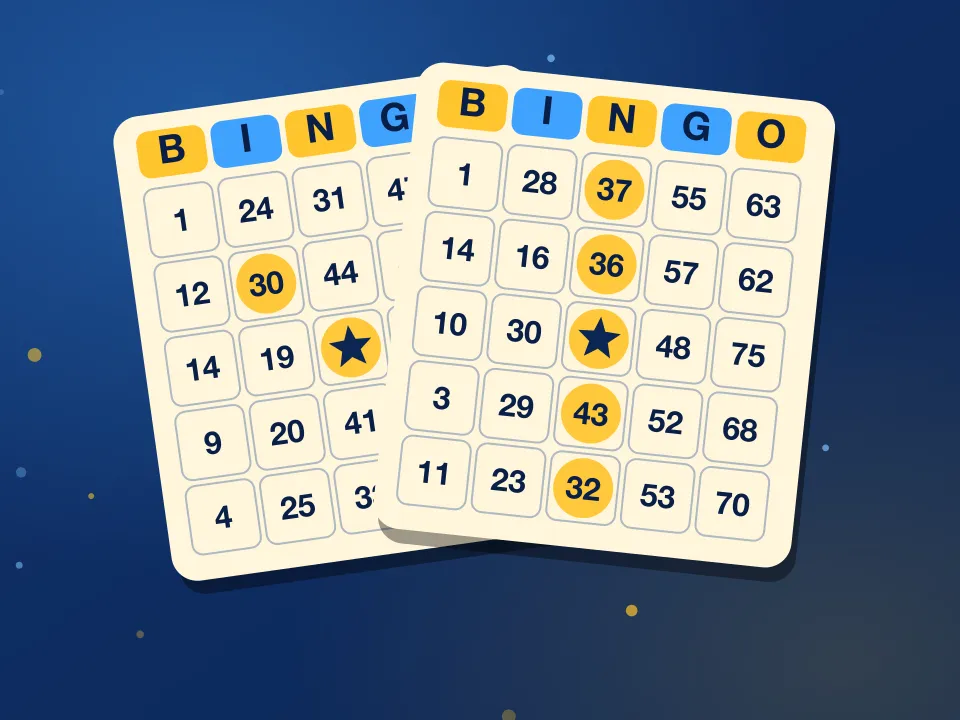
Marking is how the card records what you heard. There are three common ways to do it.
| Marker | What it leaves | Best for |
|---|---|---|
| Dauber | A permanent ink dot | Hall sessions with paper cards |
| Pen | A mark or cross | Quick games |
| Chip | A removable disc | Reusable cards and casual play |
PAGCOR’s hall rules put the standard in one line: the pattern must be covered by dauber or pen and announced before the game.
How many chips for how many cards
A 75-ball card needs at most 24 markers, because the free space is already covered. If you play 6 cards, that is up to 144 chips, as an Example of the arithmetic: 6 times 24.
Spread them out before the game so you can place them without searching. A small tray or lid for the chips keeps the table tidy.
For 2 cards that is 48 chips at most, and for 4 cards 96.
At an invented PHP5 per chip set, 6 cards cost PHP30 in markers across 144 chips.
Keeping a card readable
A card that cannot be read cannot be verified, and PAGCOR’s rule is that the numbers must be there for the check. Place chips fully on the square and keep them flat. If one slips off, put it back before the next ball, and tell the floor staff if you are unsure about a claim.
At home or at a party, chips are the friendlier choice, because a card can be reused. For a licensed hall, follow the hall’s rule, which will follow PAGCOR’s. For the card those markers go on, see column ranges on a card, and for the claim itself, the bingo rules.
Chips for a classroom or a party
For a home game, chips are the safe choice: no ink, easy to reset and easy to count at the end. Coins, beans or small paper squares work as well as plastic discs, as long as everyone uses the same kind.
Set two rules before you start. First, chips go on only after the number is called. Second, the winner shows the card and the caller checks the squares against the numbers called. Those two rules mirror the hall and keep the game quick and fair without any money involved.
A class of 30 players needs 30 cards and up to 720 chips, so count them before the first game.
Call it in three moves
-
Hear the call
Start with the plain statement: the pattern name, the rule or the figure the source actually prints. Skip the rumours and the stories that start with someone I know.
-
Find it on your card
Lay that statement over a 5x5 card. Count the squares it needs, check whether the free space counts, and you know how far you are from calling it.
-
Take the tip
Decide your card budget before the first number is called, and stop when it is spent. A bingo night is paid entertainment, never income.

