
Lucky Bingo Numbers: Why a Favourite Number Changes Nothing
By Bingo PH Editorial Team
- 21+ onlyPAGCOR keeps anyone under 21 away from the gaming it licenses, bingo included, so each page is pitched at grown-ups. Not 21 yet? Come back on the day you are.
- Calls traced to a sourceA rule, a count or a prize figure shows up only when PAGCOR or a studio prints it, or when the sum is laid out in front of you. What nobody publishes gets the words "not published".
- No operator namedNo hall, app or casino is named, scored or ranked on these pages. They explain bingo and nothing else: no stakes taken, no balances held, no promise of a win.
Lucky bingo numbers and the equal-chance rule
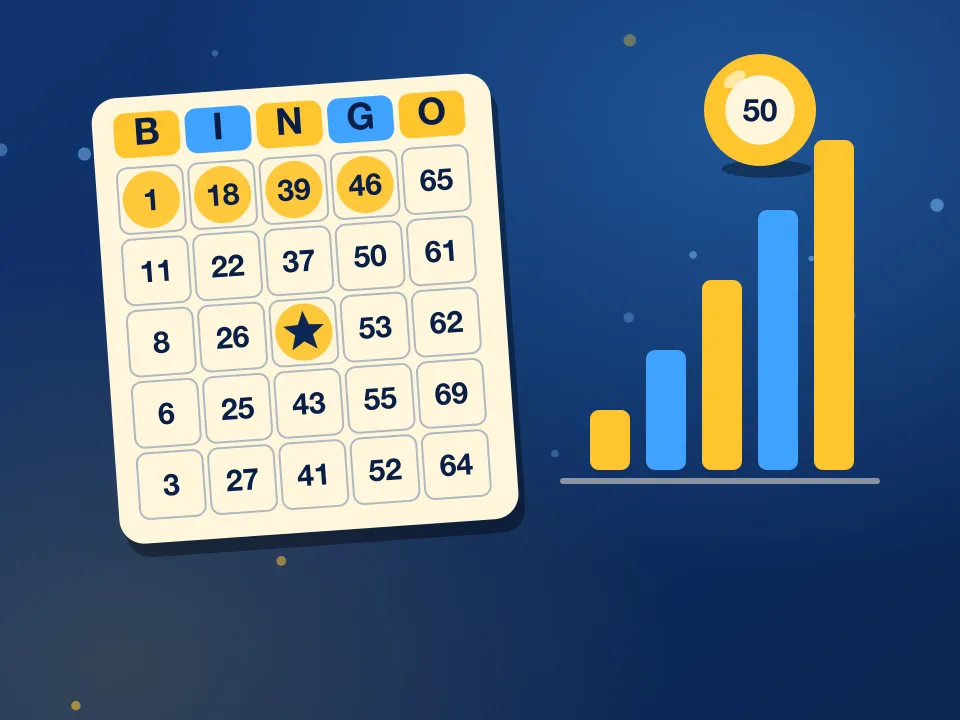
Start with the draw. In a 75-ball game the first ball has a 1 in 75 chance for every number. After 10 balls, each of the 65 remaining has a 1 in 65 chance on the next draw, as an Example, and the ones already out are gone.
| Balls drawn so far | Balls left | Chance each left number is next |
|---|---|---|
| 0 | 75 | 1 in 75 |
| 10 | 65 | 1 in 65 |
| 30 | 45 | 1 in 45 |
| 60 | 15 | 1 in 15 |
The chance of a particular number rises as the pool shrinks, but it rises for every number left, equally.
Why hot and cold numbers feel real
Random runs look meaningful. Flip a fair coin 10 times and a run of 4 heads somewhere is quite possible. A bingo draw does the same: a cluster of numbers from one column can come out together and look like a trend.
Humans are good at spotting patterns, and bad at accepting that some are accidents. A claim about a hot number describes the past, and the draw has no memory of it. That is why this site never prints hot or cold lists.
In 75 balls, a run of 5 numbers from one column is possible in any game and means nothing for the next draw.
PAGCOR’s hall rules require balls within 0.2 gram of the average so every ball is equally likely.
What to do instead
If you want a reason to choose a card, choose by what you can follow. Pick fewer cards you can mark carefully, check each card against the column ranges, and keep to your budget.
PAGCOR’s hall rules say each ball must weigh within 0.2 gram of the set average, so the draw is built to be fair. For the machinery of that draw, see the ball set, and for how screens do it, the page on the random number generator.
Why people still believe in lucky numbers
A lucky number is a story we tell about a win. If you won on the night you wore a red shirt, the shirt becomes part of the story. The draw never saw the shirt.
Remember that story when someone offers to sell a list of numbers. Any list has the same chance as any other, and a list cannot know the next ball. If you enjoy using a favourite number, harmless, but keep it away from your budget decisions.
A lucky number that wins 1 game in 20 wins no more often than any other, since each has the same 1 in 75 start.
Call it in three moves
-
Hear the call
Start with the plain statement: the pattern name, the rule or the figure the source actually prints. Skip the rumours and the stories that start with someone I know.
-
Find it on your card
Lay that statement over a 5x5 card. Count the squares it needs, check whether the free space counts, and you know how far you are from calling it.
-
Take the tip
Decide your card budget before the first number is called, and stop when it is spent. A bingo night is paid entertainment, never income.

