
Bingo Balls: How the 75-Ball Set Is Drawn and Kept Fair
By Bingo PH Editorial Team
- 21+ onlyPAGCOR keeps anyone under 21 away from the gaming it licenses, bingo included, so each page is pitched at grown-ups. Not 21 yet? Come back on the day you are.
- Calls traced to a sourceA rule, a count or a prize figure shows up only when PAGCOR or a studio prints it, or when the sum is laid out in front of you. What nobody publishes gets the words "not published".
- No operator namedNo hall, app or casino is named, scored or ranked on these pages. They explain bingo and nothing else: no stakes taken, no balances held, no promise of a win.
Bingo balls: the set and the blower
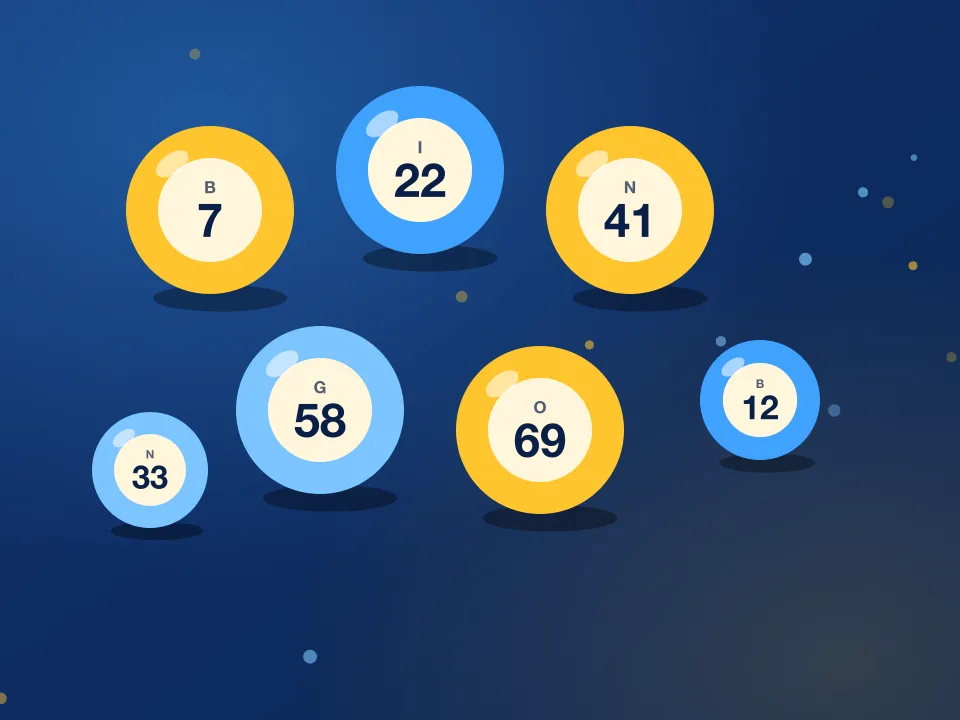
A standard hall set holds 75 balls, one for each number from 1 to 75. They are drawn one at a time by an electronic ball blower, which mixes the balls and releases one.
PAGCOR’s hall rules attach a precision requirement: the weight of each ball must be within the tolerable range of plus or minus 0.2 gram of the average weight of the balls in the set. The point is fairness: a ball much heavier or lighter than the others could come out more or less often.
| Item | Rule or fact |
|---|---|
| Balls in the set | 75 |
| Draw method | Electronic ball blower |
| Weight tolerance | Plus or minus 0.2 gram of the set average |
| Draw frequency | One ball per call |
Balls and the idea of fair randomness
Because the set is balanced, each ball has the same chance, which is 1 in 75 on the first draw. After 10 balls are out, each remaining ball has a 1 in 65 chance on the next draw, as an Example, and the ones already drawn are gone.
That is the whole logic of a fair draw: the odds of each remaining ball are equal. It means a number that has not appeared in 30 calls is no more likely than any other remaining number.
After 30 balls, 45 remain, and each has a 1 in 45 chance of coming next.
PAGCOR’s 0.2 gram rule is what keeps those chances equal across all 75 balls.
Balls on a screen
In e-bingo there are no physical balls. A random number generator draws virtual numbers, and the screen shows them. The same principle of equal chances is the aim, and a game’s own rules page is where its draw is described.
For the person who reads the balls aloud, see the page on the caller’s job. For why no number is lucky, see lucky bingo numbers.
A screen game may draw 75 numbers or fewer, depending on its rules, and PAGCOR’s list shows approved titles only.
Why the ball rules exist
A fair draw protects both sides. Players trust that a ball has the same chance as any other, and the hall protects its licence by following the rule. The weight tolerance of 0.2 gram is small on purpose, so a dented or worn ball is the kind of thing staff replace.
If you ever see the draw stop or a ball set aside, you can ask why. A hall that runs by PAGCOR’s rules should be able to say.
Call it in three moves
-
Hear the call
Start with the plain statement: the pattern name, the rule or the figure the source actually prints. Skip the rumours and the stories that start with someone I know.
-
Find it on your card
Lay that statement over a 5x5 card. Count the squares it needs, check whether the free space counts, and you know how far you are from calling it.
-
Take the tip
Decide your card budget before the first number is called, and stop when it is spent. A bingo night is paid entertainment, never income.

