
Bingo Numbers: How the Caller Draws, Reads and Verifies Each Ball
By Bingo PH Editorial Team
- 21+ onlyPAGCOR keeps anyone under 21 away from the gaming it licenses, bingo included, so each page is pitched at grown-ups. Not 21 yet? Come back on the day you are.
- Calls traced to a sourceA rule, a count or a prize figure shows up only when PAGCOR or a studio prints it, or when the sum is laid out in front of you. What nobody publishes gets the words "not published".
- No operator namedNo hall, app or casino is named, scored or ranked on these pages. They explain bingo and nothing else: no stakes taken, no balances held, no promise of a win.
Bingo numbers: five facts about the draw
- A traditional game draws from 75 balls, numbered 1 to 75.
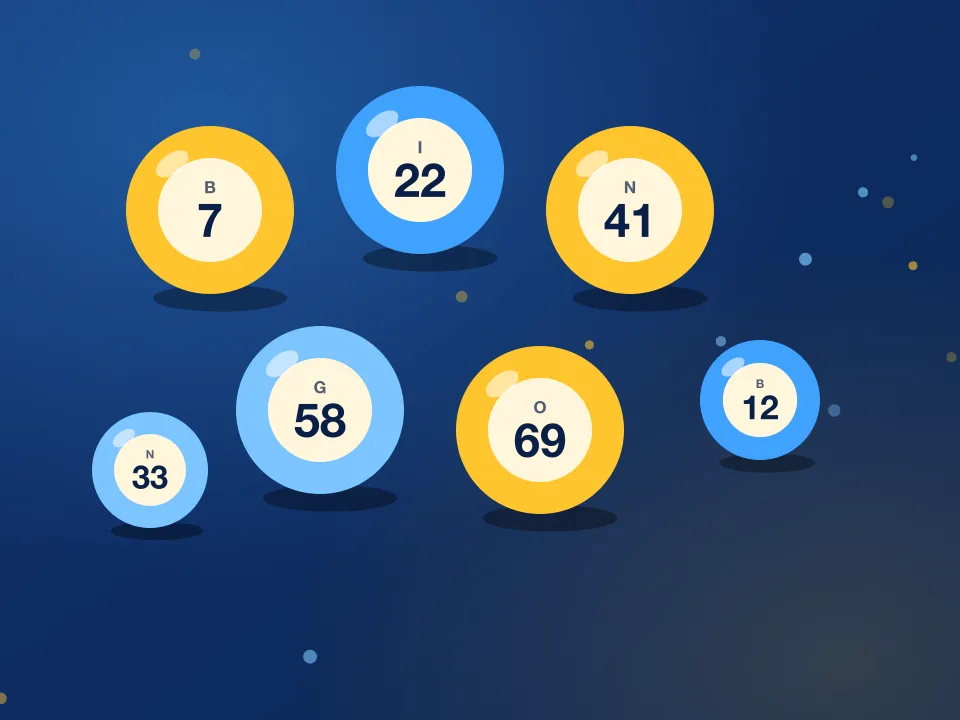
- The balls come out one at a time through an electronic ball blower.
- Each ball must weigh within 0.2 gram of the set’s average, so none is heavier than the rest.
- The caller announces each number, and the game starts on the first ball called.
- A verified BINGO ends the game, and a wrong claim means the next ball is called.
These are the hall rules in PAGCOR’s framework for gaming venue operations. They matter because fair draws are why strategy talk about hot numbers does not hold up.
The three pages on bingo numbers
| Page | What you will learn |
|---|---|
| Bingo caller | What the caller does, step by step, and what players listen for |
| Bingo calls | Call formats and the nicknames of the UK 90-ball tradition |
| Bingo balls | The balls, the blower and the weight rule |
Random numbers on screens and why no number is due
Electronic bingo replaces the blower with a random number generator, and the same principle holds: every number is as likely as every other on each draw. Ten calls without a 33 do not make 33 more likely next, because the balls have no memory.
That is why this site never prints hot or cold numbers. A claim that a number is due is a claim about a pattern in random draws, and the random number generator page explains how an RNG-driven game is meant to work. If you want the cards those numbers land on, go to the bingo cards section.
After 10 calls without a 33, the chance of 33 is 1 in 65, the same as every other ball left, as an Example.
PAGCOR lists e-bingo as its own game offering, and the draw there is software, not balls.
From the first ball to a verified BINGO
A game’s life has a clear start and finish. It starts on the first ball called and it ends on a verified BINGO. Everything between is the caller reading, the players marking and the floor watching for a raised hand.
When a player calls BINGO, the caller stops before drawing the next ball, the card is brought in, and the staff check it against the numbers drawn. The card must carry the last number called and be a valid card. If it passes, the prize is paid. If it fails, the game restarts with the next ball.
This check is the reason you should keep your marks tidy and your voice ready. It is also the reason the number list is read back, so a claim cannot depend on someone’s memory.
For a screen game, the machine does the checking and no raised hand is needed, but the same sequence runs in software. You can follow it on the pay table, which shows what each completed pattern pays.
PAGCOR’s hall rules set these steps, and a hall session may run 10 games or more.
What the caller says and how you follow it
A call is a letter and a number, such as G 52, and the letter tells you the column to scan. Without the letter you would look through all five columns for each call. With it, you read one column, find the number, and mark it. That is how a hall of hundreds of players keeps pace with one voice.
Some halls also read each number twice, and many display it on a board. Both help, but neither replaces listening. If the board and the call ever disagree, ask the floor staff before you mark anything.
With 15 numbers in each of 5 columns, the letter narrows 75 numbers to 15.
Under PAGCOR’s hall rules the caller’s announcement is what the card is checked against.
A short sequence worth trying at home
Draw 20 numbers from 1 to 75 on paper slips, make a card by the column ranges and mark it as you pull them. After 20 calls, count your marks. A 24-number card is likely to hold about 6 marks, since 20 of 75 balls is roughly 27%, and that average is the quickest way to feel how slowly a blackout card fills.
Call it in three moves
-
Hear the call
Start with the plain statement: the pattern name, the rule or the figure the source actually prints. Skip the rumours and the stories that start with someone I know.
-
Find it on your card
Lay that statement over a 5x5 card. Count the squares it needs, check whether the free space counts, and you know how far you are from calling it.
-
Take the tip
Decide your card budget before the first number is called, and stop when it is spent. A bingo night is paid entertainment, never income.

