
Live Bingo: How Studio-Hosted Bingo-Style Shows Play
By Bingo PH Editorial Team
- 21+ onlyPAGCOR keeps anyone under 21 away from the gaming it licenses, bingo included, so each page is pitched at grown-ups. Not 21 yet? Come back on the day you are.
- Calls traced to a sourceA rule, a count or a prize figure shows up only when PAGCOR or a studio prints it, or when the sum is laid out in front of you. What nobody publishes gets the words "not published".
- No operator namedNo hall, app or casino is named, scored or ranked on these pages. They explain bingo and nothing else: no stakes taken, no balances held, no promise of a win.
Live bingo: shows built on bingo cards
Evolution is a game studio, and these shows are products of its live studios. Each borrows the idea of a card of numbers and a draw and wraps it in a show with a host.
| Show | Balls | Draw | Extra element |
|---|---|---|---|
| Monopoly Big Baller | 60 | 20 balls drawn | Random daubs and multipliers before the draw, bonus through 3 Rolls or 5 Rolls |
| Mega Ball | 51 | 20 balls drawn | Mega Ball round with a multiplier from 5x to 100x |
The detail comes from Evolution’s own game pages. Return rates and the full prize tables are not published on them.
How a live bingo round runs
A round starts with a betting window. First you pick the number of cards, then the host starts the draw, and each number lights up on your cards as it appears. The show’s features then apply: a daub, a multiplier or a bonus round.
- Choose the number of cards before the window closes.
- Watch the draw and the card marking, which is automatic.
- Follow any bonus round the show triggers.
- Collect whatever the paytable pays for your result.
Because play is automatic, your decisions are stake size and number of cards. The paytable inside each show is the only place its prizes are stated.
What live bingo is not
Live bingo is not hall bingo. You do not call BINGO, no staff verify a card and the prizes follow the show’s paytable. It is closer to a game show with cards than to a hall session.
Treat the show as entertainment priced per round, set a limit before the first round, and stop when you reach it. Read the show’s own rules screen for card limits, since pages differ on some figures. For the other formats on screen, see bingo betting and the e-bingo hub.
At an invented PHP50 per round, 10 rounds cost PHP500, and Evolution’s pages print no return rate.
Choosing a live show with your budget in mind
A live round has a fixed timing, and the next one starts soon after. Choose a stake that you can repeat many times, since rounds come quickly, and avoid raising the stake after a loss.
Look at the number of cards you can play and decide before the round how many to use. Because play is automatic, the only judgment you make is the stake and the card count, so write both down.
At an invented PHP50 per round, 12 rounds is PHP600, and Evolution’s pages print no return rate.
Call it in three moves
-
Hear the call
Start with the plain statement: the pattern name, the rule or the figure the source actually prints. Skip the rumours and the stories that start with someone I know.
-
Find it on your card
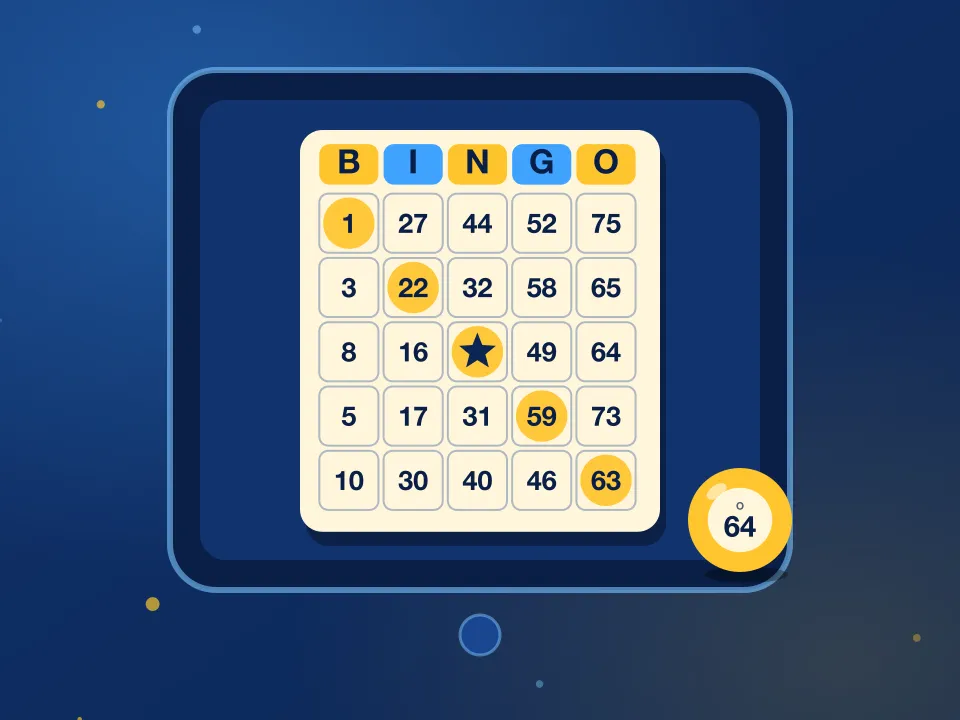
Lay that statement over a 5x5 card. Count the squares it needs, check whether the free space counts, and you know how far you are from calling it.
-
Take the tip
Decide your card budget before the first number is called, and stop when it is spent. A bingo night is paid entertainment, never income.

