
How to Win Bingo: Seven Habits That Help and Three Myths That Do Not
By Bingo PH Editorial Team
- 21+ onlyPAGCOR keeps anyone under 21 away from the gaming it licenses, bingo included, so each page is pitched at grown-ups. Not 21 yet? Come back on the day you are.
- Calls traced to a sourceA rule, a count or a prize figure shows up only when PAGCOR or a studio prints it, or when the sum is laid out in front of you. What nobody publishes gets the words "not published".
- No operator namedNo hall, app or casino is named, scored or ranked on these pages. They explain bingo and nothing else: no stakes taken, no balances held, no promise of a win.
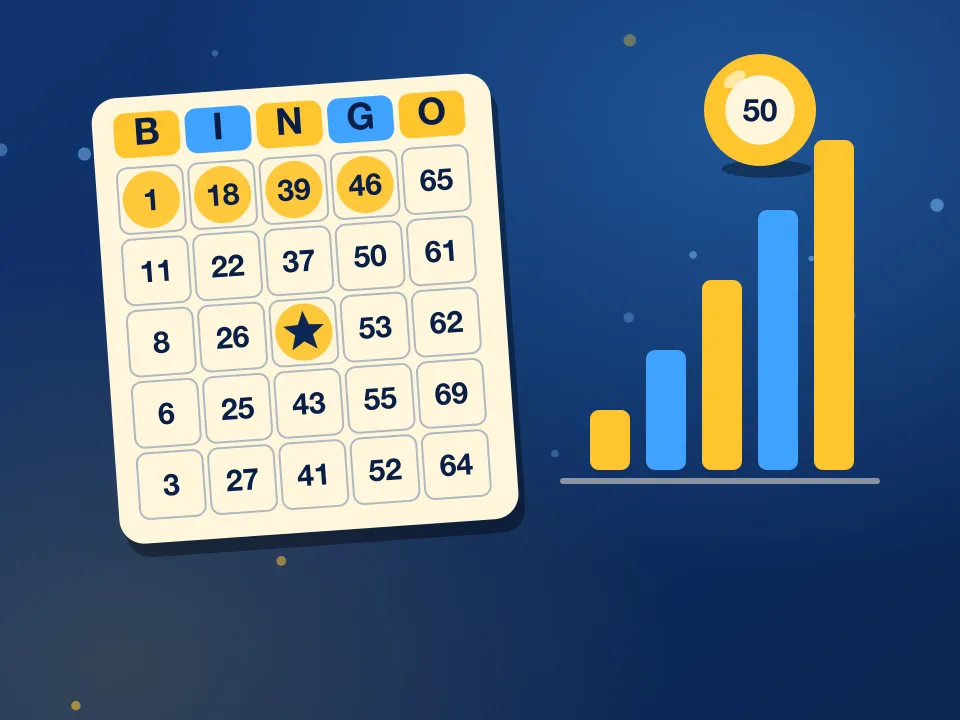
How to win bingo has an honest answer: nothing changes the draw, but a few habits stop you losing a win you earned. Here are seven that help and three myths that do not.
How to win bingo: what actually helps
Nothing in this list changes the draw. These habits stop you losing a win you were due to claim.
| Habit | Why it matters |
|---|---|
| Know the pattern | You watch the right squares |
| Mark every call | You never miss a number you hold |
| Call BINGO yourself | The hall rule forfeits the win if you do not |
| Check the last number | A card must hold the last number called |
| Keep to a budget | You stop before the money does |
Notice that three of the five are about not losing a win, and one about not losing more than you planned.
How to win bingo: what does not help
- Lucky numbers, because every ball has the same chance.
- Hot and cold numbers, because a draw has no memory.
- Systems or software that promise results, because none can change a fair draw.
Each of these sells a feeling of control. The arithmetic says otherwise: for one card, four corners has about a 40% chance by call 60, an Example, and no custom changes that figure.
Playing within your limits
The surest way to come out ahead is to spend little for the fun you get. Decide the amount before you sit down, treat it as spent, and stop when it is gone. PAGCOR’s own advice is blunt: gambling is no income, borrowed money has no place in it and losses should not be chased.
If the game stops being fun, stop. The responsible gaming page lists where to get help. For the odds themselves, read how many numbers to win.
A realistic goal for a session
Aim to enjoy the games you pay for. A win can happen, yet no single session should be expected to produce one, so a budget counts for more than any method.
If you do win, remember the paperwork: the hall records your name, address and valid ID, and a prize above PHP10,000 carries a 20% final tax, so PHP12,000 leaves PHP9,600, as an Example. Prizes are claimed within the month, or they go to a common prize fund.
One more point about wins: a prize shared between several winners is divided equally, so a PHP9,000 prize among 3 players is PHP3,000 each, as an Example. Winning a share is still winning, and the arithmetic is why a bigger room does not always mean a bigger payout for you.
The cost of a session, as an Example
| Cards per game | Games | Cost at an invented PHP10 per card |
|---|---|---|
| 1 | 20 | PHP200 |
| 3 | 20 | PHP600 |
| 6 | 20 | PHP1,200 |
A session plan
- Write the limit before you leave.
- Buy the number of cards you can follow.
- Mark every call at once.
- Call BINGO yourself when the pattern is covered.
- Stop at the limit.
Questions to ask before you buy
| Question | Why |
|---|---|
| What is the pattern? | It sets the wait |
| What is the prize and is it shared? | It sets the return |
| What does a card cost? | It sets the budget |
Call it in three moves
-
Hear the call
Start with the plain statement: the pattern name, the rule or the figure the source actually prints. Skip the rumours and the stories that start with someone I know.
-
Find it on your card
Lay that statement over a 5x5 card. Count the squares it needs, check whether the free space counts, and you know how far you are from calling it.
-
Take the tip
Decide your card budget before the first number is called, and stop when it is spent. A bingo night is paid entertainment, never income.