
Bingo Calls: Six Call Formats and When Each One Is Used
By Bingo PH Editorial Team
- 21+ onlyPAGCOR keeps anyone under 21 away from the gaming it licenses, bingo included, so each page is pitched at grown-ups. Not 21 yet? Come back on the day you are.
- Calls traced to a sourceA rule, a count or a prize figure shows up only when PAGCOR or a studio prints it, or when the sum is laid out in front of you. What nobody publishes gets the words "not published".
- No operator namedNo hall, app or casino is named, scored or ranked on these pages. They explain bingo and nothing else: no stakes taken, no balances held, no promise of a win.
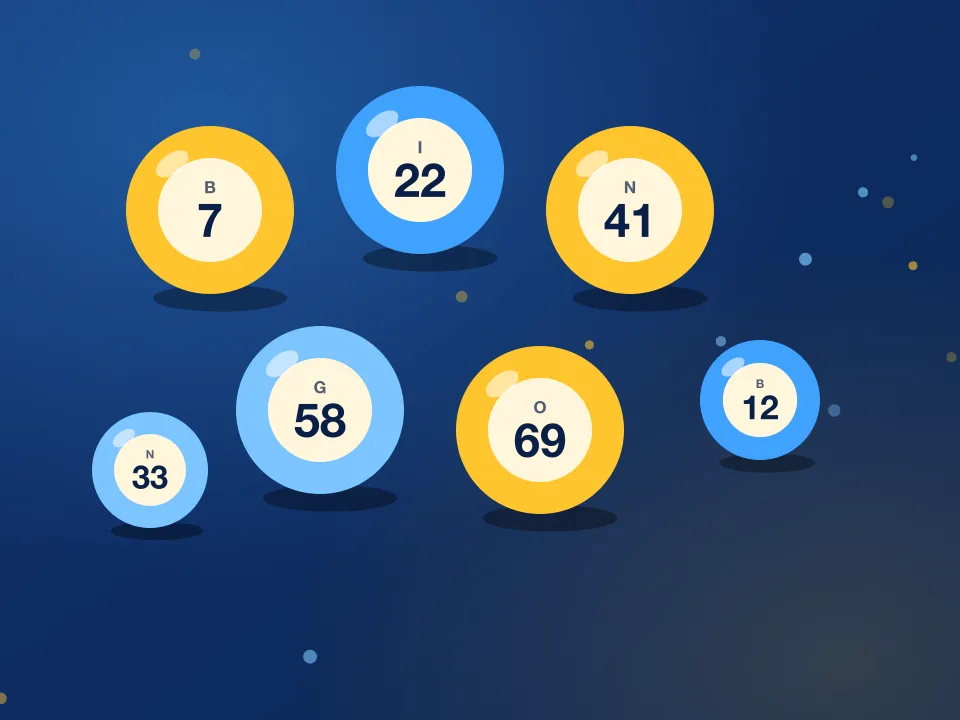
Bingo calls are the spoken forms of the numbers, and a few phrases that open or settle a game. Six formats cover almost everything you will hear.
Bingo calls: the formats you will hear
A call has one job, which is to put a number in your head quickly and unambiguously. Different games solve that in different ways.
| Format | Example | Where |
|---|---|---|
| Letter plus number | O 70 | 75-ball games |
| Number only | 47 | 90-ball games |
| Nickname | Blind, for 0-ending numbers | UK 90-ball tradition |
| Opening phrase | Eyes down | UK 90-ball halls |
The nickname tradition belongs to the UK 90-ball game. This site does not offer a list of Filipino hall calls, since no source it relies on records them.
How a call works in a licensed hall
In a hall following PAGCOR’s rules, the caller announces each ball from the set of 75. The game starts on the first ball called, and if a player calls BINGO, the caller stops before the next ball. The numbers called are then checked against the card.
- Hear the letter, then the number.
- Find the column.
- If the number is on your card, mark it.
- If your pattern is complete, call BINGO at once.
If the call is unclear, wait for the board or ask staff. A mark on a number that was not called makes the card invalid, and a late claim can fail.
Why the nicknames matter less than the call
A nickname adds colour, but it does not change the rule. The number called is the number that counts, so learn to read the number first. If you play a 90-ball game, you may hear Eyes down at the start and blind for numbers ending in 0.
Compare this with the page on what the caller does for the job itself, and read the 75 ball bingo page for the card the letters belong to.
In a 90-ball game the numbers run to 90, and the call is the number, so know the 9 columns.
PAGCOR’s hall rules mention no nicknames, and a verified claim rests on the numbers called.
Call habits worth building
Repeat each number in your head as you mark it. That small habit catches errors before they cost you a game. Keep a finger on the column the letter names, and glance at the whole card only after you have marked.
If you hear a number twice, mark it once. Callers repeat for clarity, and a second call does not mean a second ball.
Over 60 calls, marking one number a second late costs you nothing, while 1 missed number costs the game.
Marking 1 number at a time across 2 cards is easier than marking all 24 later, and PAGCOR’s claim rule depends on the last call.
The six formats compared
| Format | Needs a letter? | Where heard |
|---|---|---|
| Letter plus number | Yes | 75-ball |
| Number only | No | 90-ball |
| Repeat call | No | Loud halls |
| Eyes down | No | UK 90-ball |
| Blind | No | UK 90-ball |
| Verified call back | No | After a claim |
A listening drill
- Close your eyes while a friend reads 10 calls.
- Say each letter aloud before the number.
- Write down the column for every call.
- Compare with the list.
Calls and the claim
A call is only as good as the check that follows it. Under PAGCOR’s hall rules the claim is verified against the numbers called, so a card is compared with the record, not with the room’s memory. Keep your own notes short and tidy so the check goes quickly.
Call it in three moves
-
Hear the call
Start with the plain statement: the pattern name, the rule or the figure the source actually prints. Skip the rumours and the stories that start with someone I know.
-
Find it on your card
Lay that statement over a 5x5 card. Count the squares it needs, check whether the free space counts, and you know how far you are from calling it.
-
Take the tip
Decide your card budget before the first number is called, and stop when it is spent. A bingo night is paid entertainment, never income.

