
How to Play Bingo: From Buying a Card to the Winning Call
By Bingo PH Editorial Team
- 21+ onlyPAGCOR keeps anyone under 21 away from the gaming it licenses, bingo included, so each page is pitched at grown-ups. Not 21 yet? Come back on the day you are.
- Calls traced to a sourceA rule, a count or a prize figure shows up only when PAGCOR or a studio prints it, or when the sum is laid out in front of you. What nobody publishes gets the words "not published".
- No operator namedNo hall, app or casino is named, scored or ranked on these pages. They explain bingo and nothing else: no stakes taken, no balances held, no promise of a win.
How to play bingo: the short version
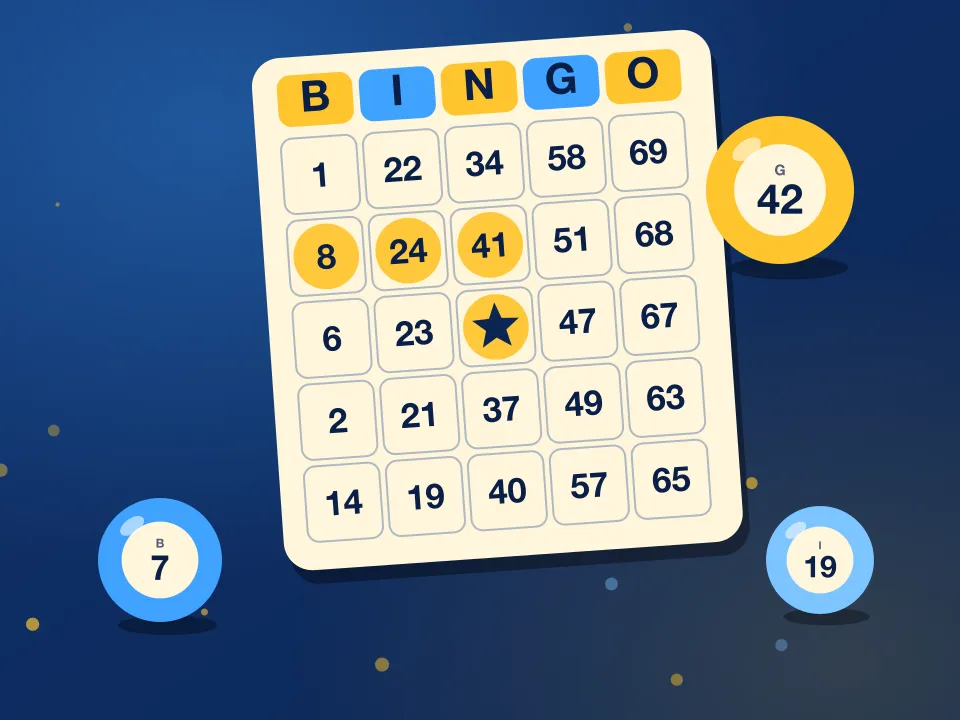
Bingo in a hall or on a screen runs the same cycle: you get cards, numbers are drawn, and a pattern ends the game. You can learn it in one read and play it in one session, so here is the loop, then the pages that fill in each part.
- Buy one card or more before the session starts.
- Read the pattern announced for the game, such as four corners or blackout.
- Mark each number the caller reads that sits on your card.
- Call BINGO when the pattern is covered and before the next ball.
- Wait for the card to be checked, then collect a valid prize.
The key detail hides in step 4. PAGCOR’s hall rules say the player must call BINGO, the pattern must be covered with a dauber or pen and announced before the game starts, and the card must contain the last number called. Miss any of those and the claim fails.
Six ways into bingo: the pages in this section
Every page below settles one question, so choose the one that matches your doubt.
| Page | What it settles |
|---|---|
| Bingo rules | The hall rules in order, from buying to the verified call |
| 75-ball bingo | The 5x5 card and the five letters |
| 90-ball bingo | The 3x9 ticket with line, two lines and full house |
| Paano maglaro ng bingo | A walkthrough in natural Taglish |
| Word bingo | A word-based version for classrooms and parties |
| Types of bingo | Regular, special, hidden-face and instant games |
New to the game? Read the rules page first, then the 75-ball page, because that is the format licensed Philippine halls describe in PAGCOR’s framework.
Bingo basics to settle before you buy a card
Three questions decide whether a session goes well, and none of them is about luck. First, what is the pattern? A line through the free space needs only 4 numbers, while blackout needs 24, so the same card can finish a game or sit unfinished all night.
Second, what is the prize and how is it shared? PAGCOR requires prizes to be announced before each game, and several winners share equally. A PHP9,000 prize split among 3 winners is PHP3,000 each, as an Example.
Third, how much are you willing to spend? A card has a price, a session has several games, and cards add up quickly. Fix the peso limit first, play at 21+, and read the responsible gaming page for PAGCOR’s reminders.
When you are ready for the next layer, look at the winning pattern shapes section for the shapes and the bingo cards section for the grid itself.
Rules that apply wherever you play bingo
A few rules travel with the game from the hall to the screen. Learn these and the format stops mattering.
- The pattern is announced before the game starts, and it cannot be changed halfway.
- You must be present to win a traditional hall game, with no off-site or remote claim.
- A claim needs a clear BINGO call and a valid card that holds the last number called.
- If the claim is invalid, the game carries on with the next ball.
- Prizes are announced in advance and shared equally between tied winners.
The Taglish page, paano maglaro ng bingo, covers the same ground in everyday Filipino speech, with the hall words you will actually hear. The types of bingo page then sorts the game styles, including quickshot and instant games, so you can tell them apart on a program.
Keep one habit from the very first session: read the program for the game you are about to play, because the pattern, the prize and the card price all sit there before the first ball.
These 5 rules come from PAGCOR’s hall framework and carry to most formats.
Common first-game mistakes and the quick fix
| Mistake | What it costs you | Fix |
|---|---|---|
| Marking after the next ball is called | A missed number and a late claim | Mark as each number is read |
| Not reading the pattern | Shouting BINGO on the wrong shape | Check the program for the game first |
| Waiting to see the number on a screen | A claim that the last number invalidates | Listen to the caller, not the board |
| Buying more cards than you can follow | Marks on the wrong card | Start with one or two cards |
Most beginners need about a game or two to find their rhythm. After that, the same loop runs on its own.
Call it in three moves
-
Hear the call
Start with the plain statement: the pattern name, the rule or the figure the source actually prints. Skip the rumours and the stories that start with someone I know.
-
Find it on your card
Lay that statement over a 5x5 card. Count the squares it needs, check whether the free space counts, and you know how far you are from calling it.
-
Take the tip
Decide your card budget before the first number is called, and stop when it is spent. A bingo night is paid entertainment, never income.

