
Bingo Random Number Generator: How an RNG Draw Works
By Bingo PH Editorial Team
- 21+ onlyPAGCOR keeps anyone under 21 away from the gaming it licenses, bingo included, so each page is pitched at grown-ups. Not 21 yet? Come back on the day you are.
- Calls traced to a sourceA rule, a count or a prize figure shows up only when PAGCOR or a studio prints it, or when the sum is laid out in front of you. What nobody publishes gets the words "not published".
- No operator namedNo hall, app or casino is named, scored or ranked on these pages. They explain bingo and nothing else: no stakes taken, no balances held, no promise of a win.
Bingo random number generator: what it replaces
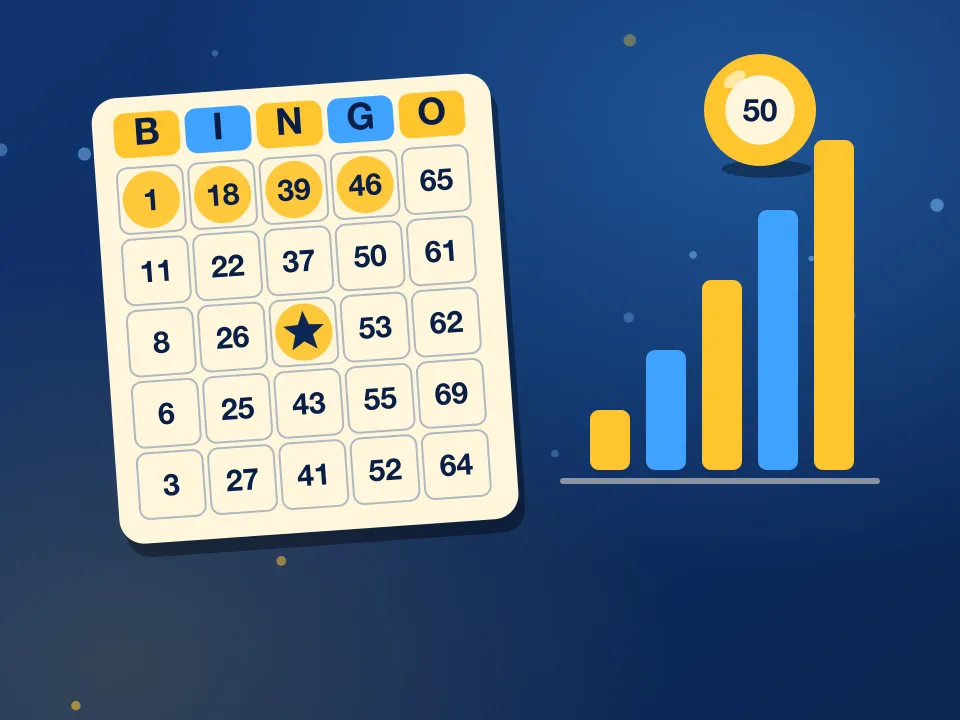
In a hall, an electronic ball blower mixes 75 balls and releases one. In e-bingo, software does the picking. The aim is the same: each number still in the pool has an equal chance on each draw.
| Part | Hall bingo | E-bingo |
|---|---|---|
| Source of numbers | 75 balls and a blower | A random number generator |
| Fairness rule | Each ball within 0.2 gram of the average | The system is built to draw equally |
| Who checks | Staff verify the claim | The system checks the pattern |
| Where the rules are | The bingo program | The pay table and info screen |
What an RNG draw means for you
The draw does not remember. Every number left has an equal chance, so a gap in calls does not make a number due. A game may deal a card and call a fixed sequence of numbers, but the order is not something you can predict.
That is why there is no way to beat an RNG draw by watching. The only things you control are the game you pick, how many cards you buy and the limit you set.
Even 20 calls in a row with no match on your card say nothing about call 21, which is a fresh draw with equal chances.
PAGCOR’s pages publish no return rate for any e-bingo game, and JILI prints none either.
What you can check
- Open the pay table to see which patterns pay and how much.
- Open the info or rules screen for card limits and extra balls.
- Note the stake before you press play.
- Look for a posted licence statement from the platform and check it against PAGCOR’s own list.
A game that publishes no return rate, as JILI’s bingo pages do not, is not breaking a rule by that fact, and neither is it telling you the number. When a seller quotes a percentage, ask where it was published.
For the physical version of the draw, see bingo balls, and for the myth of lucky numbers, why no number is lucky.
RNG and responsible play
A draw that cannot be predicted also cannot be beaten, so the number of games per hour is the part that matters. Screens deal quickly, and a fast game can spend money faster than a hall session.
Put a clock on the session as well as a peso cap. PAGCOR advises a time limit for each session, and a phone timer handles that. Take a break after each block, and stop when you reach either limit.
Call it in three moves
-
Hear the call
Start with the plain statement: the pattern name, the rule or the figure the source actually prints. Skip the rumours and the stories that start with someone I know.
-
Find it on your card
Lay that statement over a 5x5 card. Count the squares it needs, check whether the free space counts, and you know how far you are from calling it.
-
Take the tip
Decide your card budget before the first number is called, and stop when it is spent. A bingo night is paid entertainment, never income.

